WNBSON offers the revised Diploma in General Nursing tailored to meet the current health needs and indicators in PNG. The curriculum integrates theoretical knowledge and practical experience including theoretical and practicum in different health care settings specifically urban and rural clinical and community settings.
Program Delivery
The diploma of general nursing (DGN) is a three-year program preparing nursing students to function effectively within the nursing practice. It aims at preparing quality graduates for first level nursing (beginners) positions and ongoing employment in Papua New Guineas health services. The DGN program is designed to meet the academic standards of the university and the requirements of the Nursing Council of Papua New Guinea’s Competency based practice.
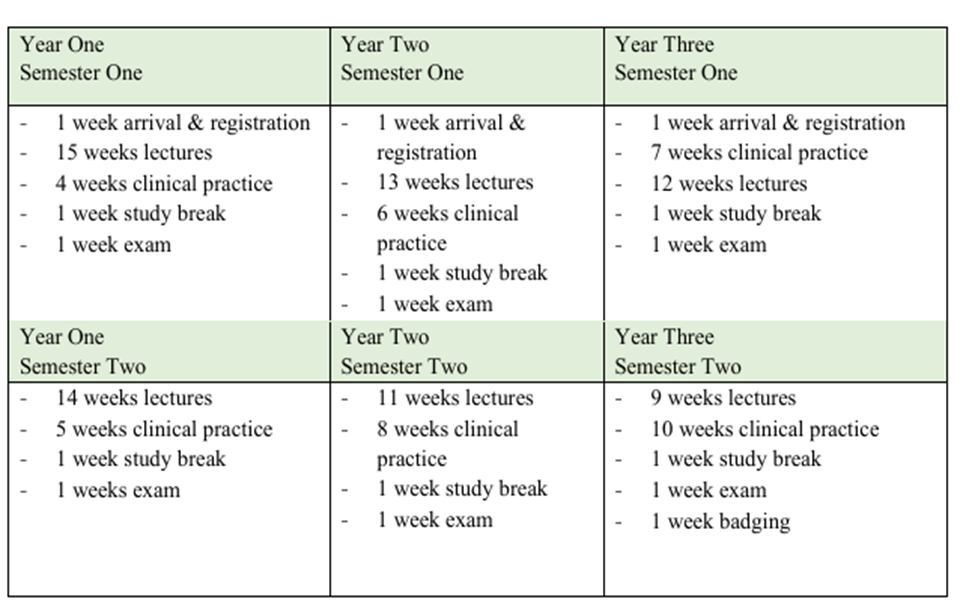
This program has a total of 84 weeks in three years of teaching and learning of which 40 weeks is for practice and 44 weeks of theory. Additional 8 weeks of project practice is planned during summer breaks. Each semester consists of theory and practice weeks that are in line with the university calendar which is 16 weeks duration and include 14 weeks of teaching and learning, one week of study and one week of assessment in the form of examination. Please refer to section programme structure for master plan depicting the structure of the three year program.
The course is completed over six semesters of study. Students must complete both theoretical learning and clinical practice experience. Course completion requires a minimum pass grade in each of the theoretical units undertaken and satisfactory completion of each of the clinical practice units.
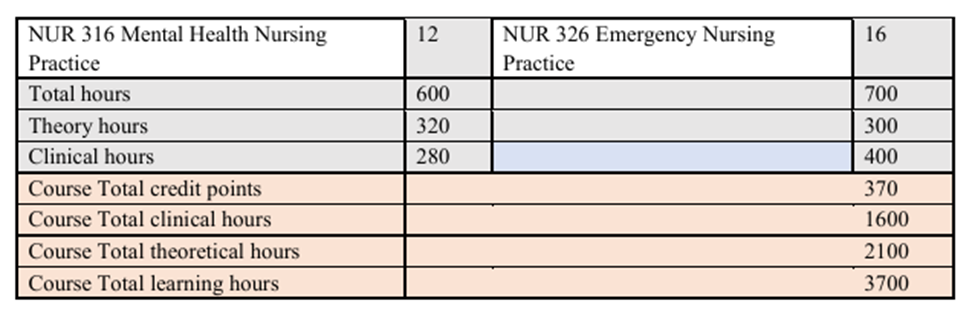
In this Diploma of General Nursing students will complete 2100 theoretical and 1600 clinical practice hours of study, that is, a combined total of 3700 learning hours. Ten (10) learning hours is equivalent to one (1) credit point.
The PNGQF level of the units is at Level 5. Because this is a competency-based program and course outcomes are based on the PNG Nursing Council Competency Standards. The maximum hours are a guide as students will need to be certified as competent to be eligible for registration as a nurse.
This curriculum has been reviewed and updated to ensure that it meets current and future health needs of the population of Papua New Guinea (PNG). This revision of the Diploma of General Nursing program builds on the previous program which was developed in 2002. It has been developed as a response to the urgent need to improve the health outcomes of the peoples of Papua New Guinea.
The program remains a three-year Diploma of General Nursing. Students upon successful completion will be eligible to apply for registration with the Papua New Guinea Nursing Council.
Program Details and Awards
The course is completed over six semesters of study. Students must complete both theoretical learning and clinical practice experience. Course completion requires a minimum pass grade in each of the theoretical units undertaken and satisfactory completion of each of the clinical practice units.
In this Diploma of General Nursing students will complete 2100 theoretical and 1600 clinical practice hours of study, that is, a combined total of 3700 learning hours. Ten (10) learning hours is equivalent to one (1) credit point.
PROGRAM STRUCTURE
Master Plan for the Program (Theory and Clinical)
Diploma Course Structure
The following table provides names of the units and their order over the three years of study.